As a publisher, Japan makes the best books in the world.
Japan has rocked the publishing industry to its core. It always has. As an editor, I can tap back into a Japanese honya (bookstore) and be transported to a distinct feeling at any time. It just has that effect on you. You can hear a slow beat in the background of your day and remember the dimly lit nook in the back of the bookstore you once stumbled across in Tokyo.
New or old, there’s something about the way bookstores preserve a sensation of life, and Japan continues to protect that sanctuary-like feeling unlike anywhere else. It’s a lot of the vibe I hope to portray on my own pages, whether that be in print or online, but I never seem to do it justice, so instead I spend my time daydreaming about my next book endeavor.
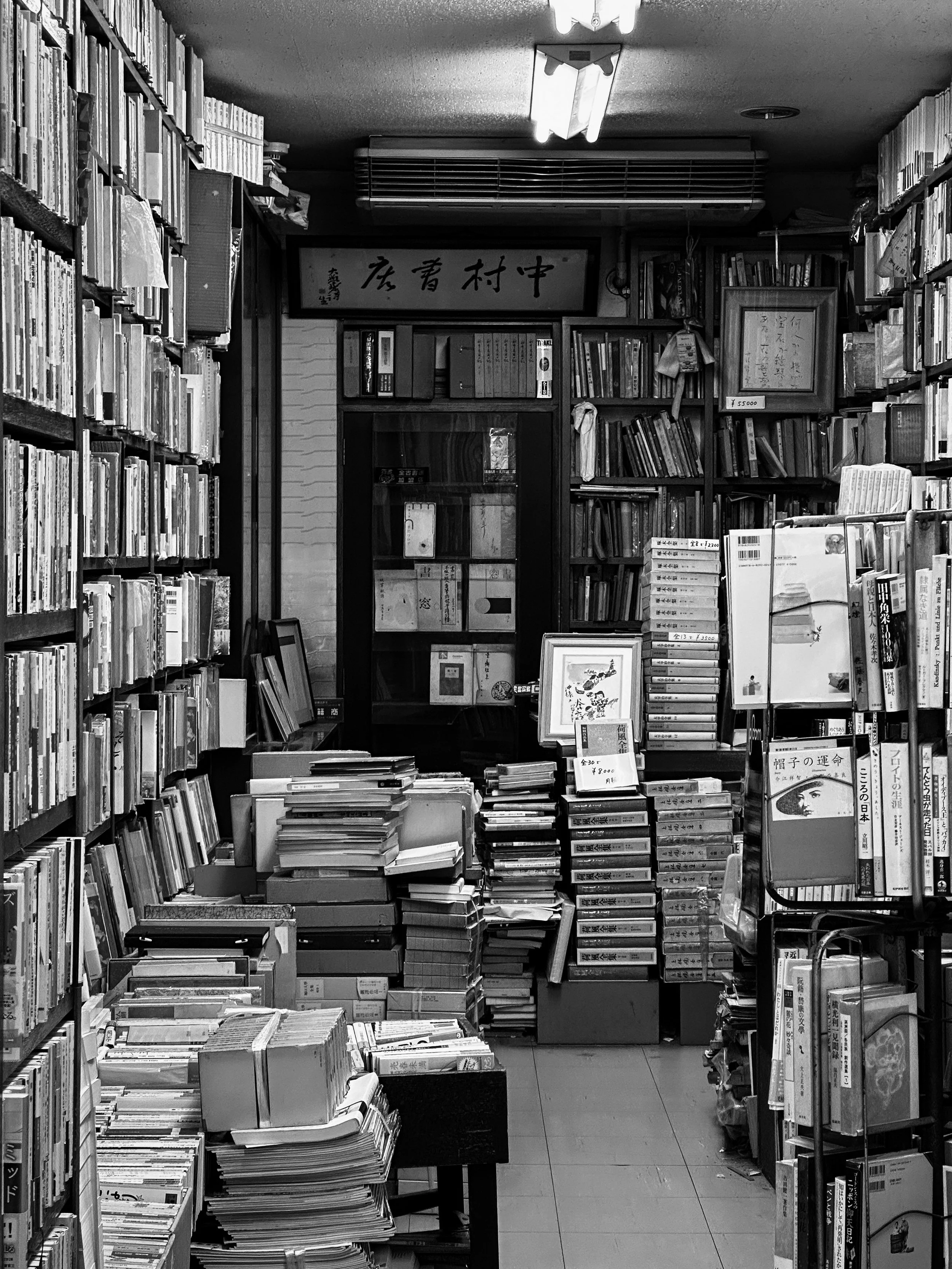
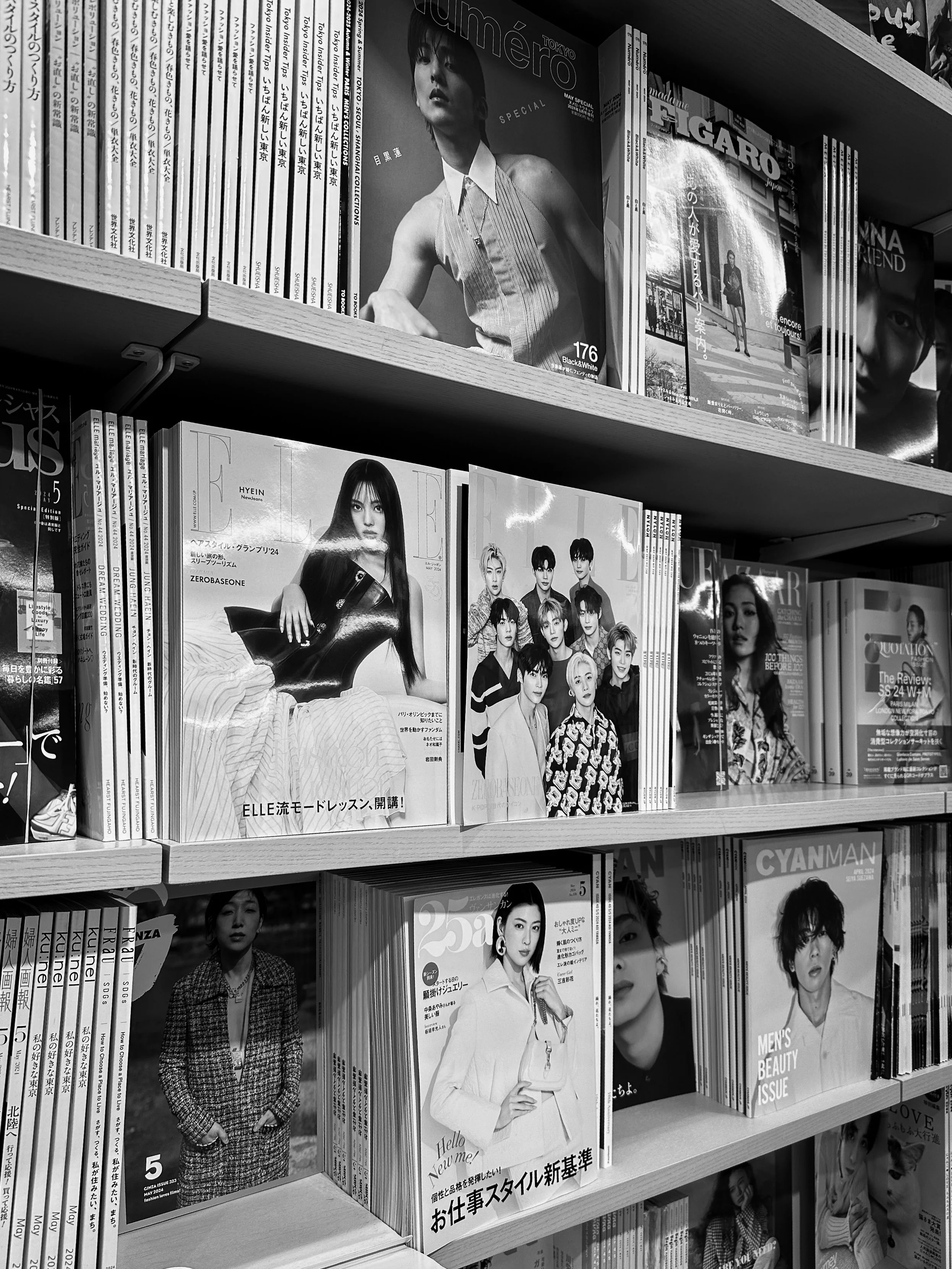
I’ll never forget—morning, evening, or night—spotting a bookstore and feeling inexplicably drawn towards it. It didn’t matter if it was a 4x4 hole in the wall, with stacks of vintage Japanese books towering over each other in a way that inadvertently looked like art, or a four-floor Tsutaya drawing you in by the aroma of freshly brewed espressos and pages collecting dust.
Walking through their bookstores is as much the experience as reading the books. It doesn’t matter what genre of book you read; walking through each row feels just as invigorating as getting lost in a story. The endless wooden shelves and industrial concrete floors paint a feeling that is impossible to recreate anywhere else. And though I try my darndest to revive this sensation on a daily basis—in the way I design my books, decorate my office, and write my Substack articles—there’s nothing that comes close enough to that nostalgic ambience you get from Japanese publishing.
It can be any season or time of day, the aura is the same. Dusky lighting contrasted by neon signs. Mid-century Japandi meets concrete jungle. Rain or shine, you feel completely tucked away from the outside world. And almost anyone will tell you that the rain beats the shine ’cause it adds to… well, the plot.
I look outside to the overly sunny day and just wish it was near closing time on a rainy night in Roppongi and I was sifting through books with my husband. The art on each cover. Kanji and Katakana calligraphy I will never fully grasp (no matter my million-day streak on Duolingo). But even though it’s all written in Hiragana, it’s a feeling anyone can translate if you’ve experienced it for yourself.
So, what is it that makes Japanese publishing so intoxicating to this small-city editor? What makes the vertical writing and cover art so unlike any other print in the world? And why, oh why, can’t this creative void be filled by any other form of content on the seven continents?
Book covers: On covers you can feel
I won’t lie, I’ve taken A LOT of inspiration from my travels through Japan for my book covers. There’s something unrepetitive about them, even though most covers follow the same format.
In North America, our covers follow the same generic principle and almost always have the same art style in a different color palette. Some of the most famously read books have a forgettable cover… and worse, New York Times bestsellers have become underwhelming in the most unforgettable way.
But in Japan, even books written by nobodies call out to you from the shelves. The uniquely designed art makes every publication one of a kind.
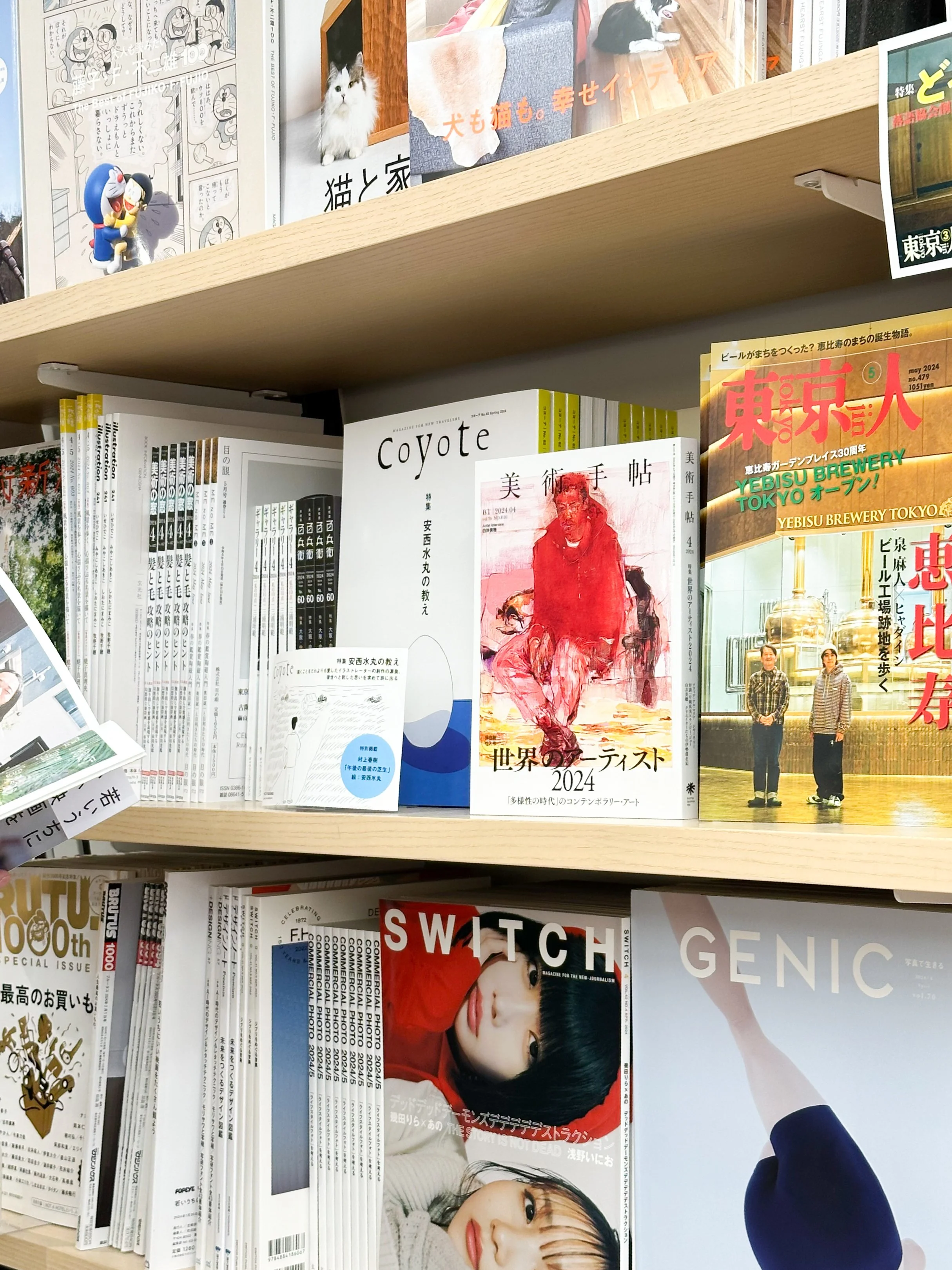
Japanese typography is the design. And their art, be that manga, sumi-e, or Nihonga, fills an empty cover space the same way wabi-sabi can fill a room.
If I close my eyes, I can still feel the emboss on my fingertips. There’s a softness to their covers. Not just on the eyes, but in the art and the colors they choose. Even your skin exhales when it reaches for a book and is first met by the cover texture.
In most other districts of publishing, your cover options swing to one end of the pendulum: gloss… to the other: matte. That’s basically the range for standard publishing, unless you’re veering into luxury or antiquarian-style books… which is rare and often outside the scope of new-gen authors.
But in Japan, the benchmark is notoriously high. Even small-house-published authors prioritize artistry and craftsmanship. I try to emulate the same finesse when I design because everyone knows… people really do judge a book by its cover. And if you’re opting for an out-of-Kindle experience, your prints better bring something radiant to the coffee table.
Books are like kimonos: On ‘Obi’ bands and dust jackets.
Kimonos aren’t the only Japanese aesthetic with an obi belt. For some reason, their books have one too.
As a publisher, I was eager to learn why. But instead of copying and pasting the research, I wanted to take my time reading it as I would if I were in a coffee shop, studying it in Japan.
As it turns out, the obi on a book is actually for promotional matters. “#1 New York Times Bestseller.” “A million copies sold.” It could be sales figures, a quote from a famous critic, endorsements, or highlighting awards it won.
In North America, we see these stats printed permanently on the cover. Whether it’s that famous single line at the top of the front cover or a critic’s quote somewhere at the bottom of the back. But in Japan, that sacred cover space is reserved—as if comparing it to the print on a kimono. You wouldn’t want a big ol’ stain on your kimono, so why would The New Yorker’s opinion of the book tarnish the cover eternally?
Since a single book might go through several different obis over its lifespan, each one reflecting a new milestone or promotional update, they choose to change the obi band as opposed to reprinting and publishing the cover. In my opinion, it’s genius. A book cover is art. It’s not meant for boasting or promoting. It’s what people build entire coffee tables and book nooks around. It becomes the signature aesthetic of your bookshelf. When you think about it like that, why would anyone print a testimonial in bold across something that was designed to be beautiful?
As a matter of fact, obis are so ingrained in Japanese book culture that most people have even admitted they will pick up a newer or unscathed copy if the obi is missing. Some even assume that a book must be defective or secondhand if it comes without the paper band.
Not to mention the dust jackets. Most book jackets in North America are reserved for hardcovers only. But nearly every book comes with one in Japan. It feels like an additional touch that reminds you that nothing is left unfinished in Nihon. Everything goes the extra mile, and not for a premium.
For most global publishing clients, it’s an upgrade to get a dust jacket, custom embossing or debossing, foil, plastic shrinking, a canvas bag, or a book box. But in the Land of the Rising Sun, everything goes the extra mile. They even wrap your book after purchase. Furoshiki, I believe it’s called. A sort of ‘art’ or ‘practice’ of wrapping books and gifts for privacy and protection (from, say, rain, damage, etc.). It goes to show you that books are sacred.
In North American marketplaces, books are designed for marketing advantages. But in Japan, they’re designed to live on a shelf for decades, to become an extension of the ambience in your home.
They even emboss, deboss, or foil intentionally. It’s rarely a matter of luxury client or upgraded publishing packages; it’s more a question of, ‘Does this cover merit the texture or gold?’ If yes, it’s there. Simple as that.
Vertical Calligraphy
Okay, okay, I get it. Not every language in the world is translated vertically on paper. But I bought a Japanese book that I could clearly not read once, deliberately for the vertical-text aesthetic. I used a translate app to make it through every single page of the book because I was drawn to the font and formatting. It just goes to show how deeply creative structure and layout can be.
Most globally renowned publishers use a signature font and style that point back to them—rarely taking the author’s art and literature into account. In Japan, the design is unique to the book itself. If it’s a fantasy, for example, they’ll use a certain font family. If it’s a memoir, a non-fiction, or a novel, the book will carry its own signature. I respect this attention to detail far more than trying to fit every author you’re working with into your publishing house’s box.
Genre diversification
Inclusivity is the name of the game, but not in the way you might think it is. No, your unique story isn’t being edited or rendered to fit some criteria or category. Japan has such an expansive list of genres that you’re rarely ever categorized into one of ten boxes. Not to mention, their audiences are so broad and widely populated that even a book that checks off seven different sub-niches has its rightful place in the market.
Whereas in North America, your story will be found in one of maybe ten different aisles. Even the bookstores are arranged in such a way that they box in writers to fit the marketing mold. Romance, business, faith/religion, food and travel, horror, sci-fi, fiction, non-fiction, biographies (and memoirs), history, adventure/mystery, poetry, children’s books, and my personal favorite, ‘self-help.’
Full disclosure, I did work in the self-help industry many books ago. I’ve only published a handful of books outside the realm of personal growth in my entire career. But Japan? Firstly, self-help is more closely synonymous with self-care in Asia… Enjoying your life rather than always fixing it. This American-incessant need to improve every branch of your existence through a new book every month is a marketing ploy that simply doesn’t sell in Japan. Instead, you’ll find books about decluttering your space, wabi-sabi-ing your life, remembering the impermanence of things, and treating your life like sakura season. You read the book for the joy… not the escape.
And maybe that’s why there’s a different kind of energy in those Tsutayas.
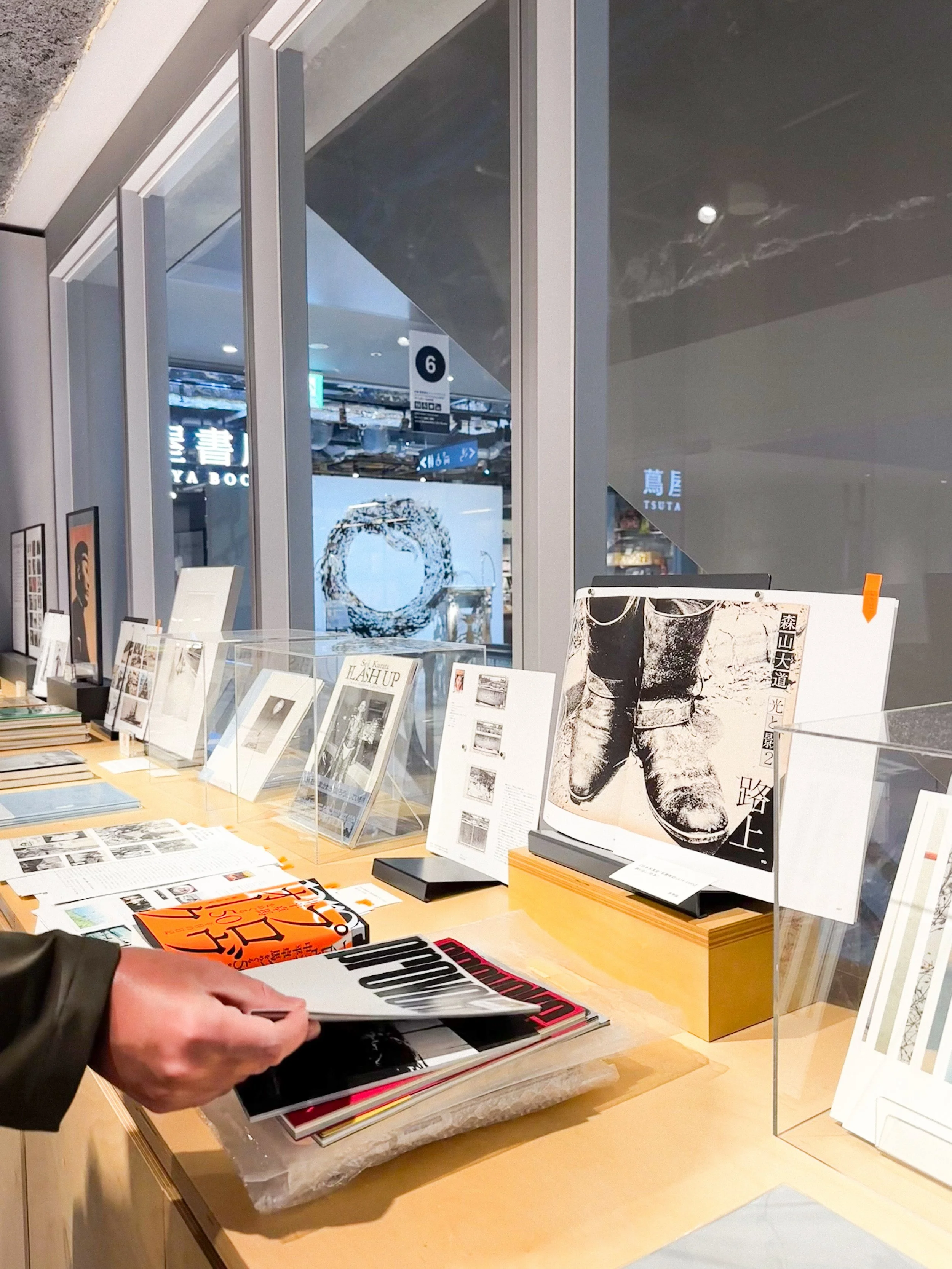
I still have two Japanese books I purchased from my first trip in 2024. (This is saying a lot considering, as a publisher, I own maybe 5–10 books myself, despite having published close to 100 throughout my career.) They were technically ‘self-help’ books, but it was actually the female drawing on the cover that drew me in. Page by page, I screenshot and translated each line of text. What I soon realized was that these books weren’t actually self-help books; they were little everyday self-care ideas that made your day better. Eventually, doing my hair, eating slowly and mindfully, and doing work that I loved led me to realize this was the last ‘self-help’ book I ever bought. Since then, I pivoted my entire business towards writing more about what I was passionate about… And look at where I am now, writing about Japanese publishing and daily living-well rituals I just can’t get enough of.
Alas, it’s become simple.
Publishing for shelf-life
What if we called it ‘bookshelf life’ instead of shelf life? As if the books you purchase preserve their longevity over a recycled existence. In North America, the book market has been rendered to mass consumption. Pay less for a Kindle version, read it once—along with the other eight hundred books you have open right now—and already start looking for the next. It’s like publishing has become fast fashion. Next trend, next book, next season, next purchase. We rarely read a book all the way through anymore! And when we do, it’s more out of a profuse need to distract, diagnose, or disappear into a fantastical realm than it is to cozy up to the moment and drift into the pages of a good romance novel.
Maybe that’s why most Japanese bookstores play jazz music and brew cappuccinos. And, no, an adjacent Starbucks doesn’t count once you’ve tasted a freshly brewed matcha over the pages of a book you can’t even read. In Japan, books are a vital part of your day. They’re meant to be manga books brought home to be read on a rainy day. Or art books you sift through next to a cat in a cat café. Books represent moments, not this incessant need to move to the next frame.
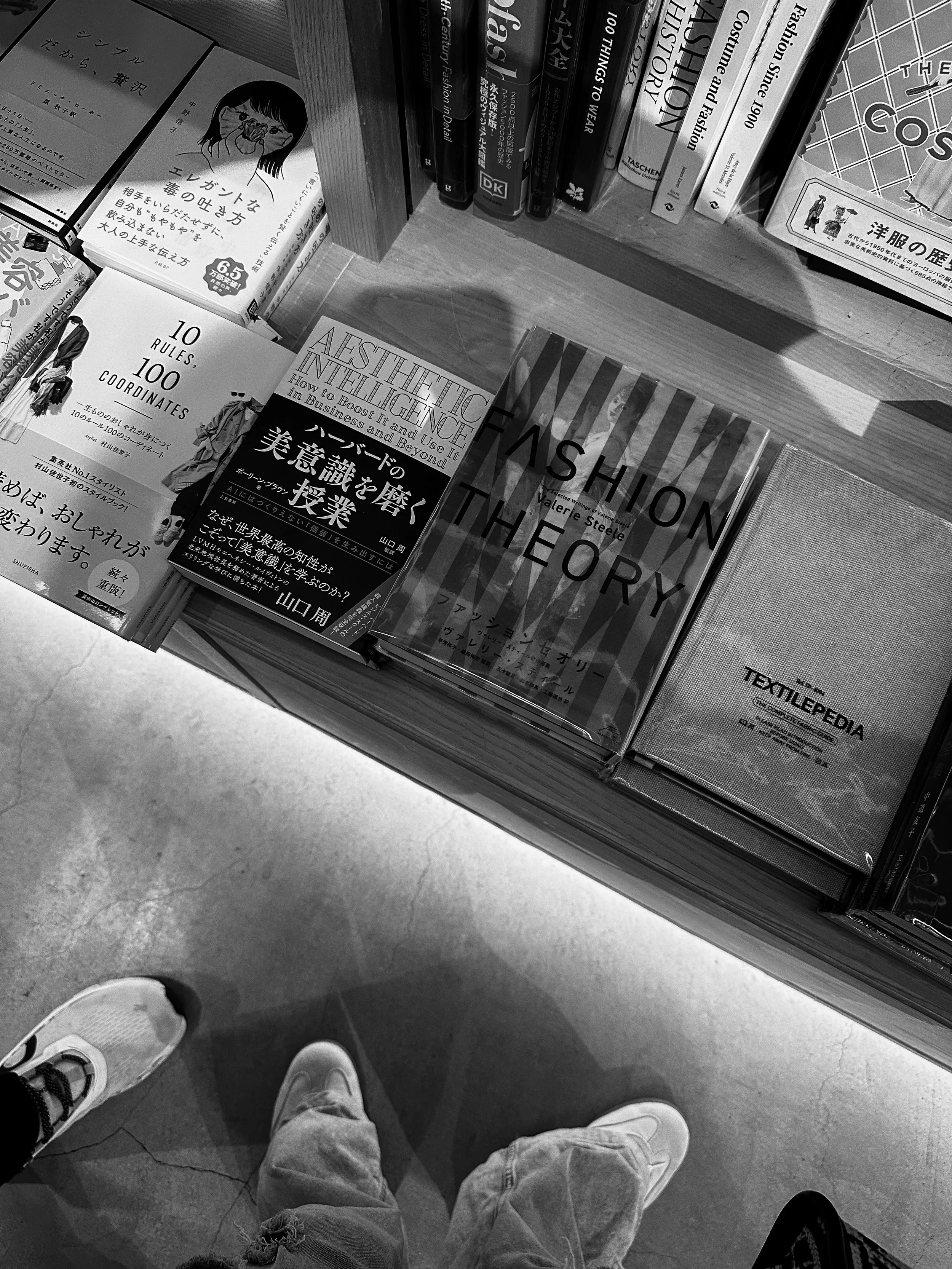
My approach to publishing has shifted drastically since traveling to Japan. I almost always stop in my tracks to explore the bookstores on my path. Sure, I love a good North American bookstore. The smell of printed pages gets me, no matter where I am in the world.
But honyas have taught me something new about the publishing world, and that’s that you can take your time writing, design your covers however you want, and go above and beyond in your creative production so that we restore what it really means to read and write books again.
As a once self-help industry editor, I know how relentless the wheel of personal development can be. I’ve never met more stressed-out writers than during my time in the self-development sector. It’s only taken radical writers and the life-changing experience of walking through Japanese bookstores to realize that we really can write about whatever tf we want. And though NYT Bestseller has an allure to it, I’ll tell any of you a hundred times over that I would rather have three copies of my book in a Japanese bookstore than a thousand signed copies in Barnes & Noble if it means I regain the freedom to publish a book that takes my breath away from cover to cover.
So, writers… What do you really want to write about?
What would your book actually look like if you weren’t aiming for bestseller?
How would you design your pages, foil your covers, and structure your obi belt if your book was the metaphorical equivalent of a Japanese kimono?
Would you dare to dream beyond mass consumption?
I understand that not everyone will taste the caffeinated glory of a Japanese bookstore in their lifetime, but I suggest you go out and dream a little more. Get inspired. Write about what fascinates you. Go completely against the grain of your existing business model to finally write about what you love. And if you’re leaning on the side of readers here… may the next book you find leave you so utterly curled up in your book nook that you never re-enter the world of pace-reading eight books at a time.
May everything you write be printed in silk,
Sarah Elle
For those who still believe books should feel like a rainy day in Tokyo. Subscribe and stay awhile.